

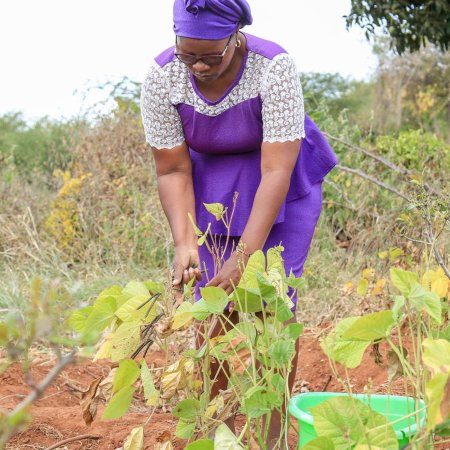
This year the Bishop of Chelmsford’s Lent Appeal is raising funds for Anglican Development Services of Mt Kenya East (ADSMKE) to support their work in response to climate change and in environmental conservation across our five linked partner dioceses in Kenya. Donations will be open until 1st July 2026.
On this page
This webpage explains how people, parishes and worshipping communities can support the Bishop of Chelmsford’s Lent Appeal if they would like to do so.
The Bishop of Chelmsford’s Lent Appeal 2026
Supporting the work of ADSMKE in response to climate change and in environmental conservation
Anglican Development Services of Mt Kenya East is the development arm of the Anglican Church of Kenya, dedicated to serving communities in our five linked partner dioceses - Embu, Kirinyaga, Meru, Mbeere and Marsabit - in Kenya
Communities across Mt Kenya East are facing the harsh realities of the climate crisis. Years of recurring drought have devastated harvests, depleted natural resources and pushed families into increased hardship. In response to these challenges, ADSMKE is leading inspiring, community‑driven work to restore the environment and strengthen livelihoods.


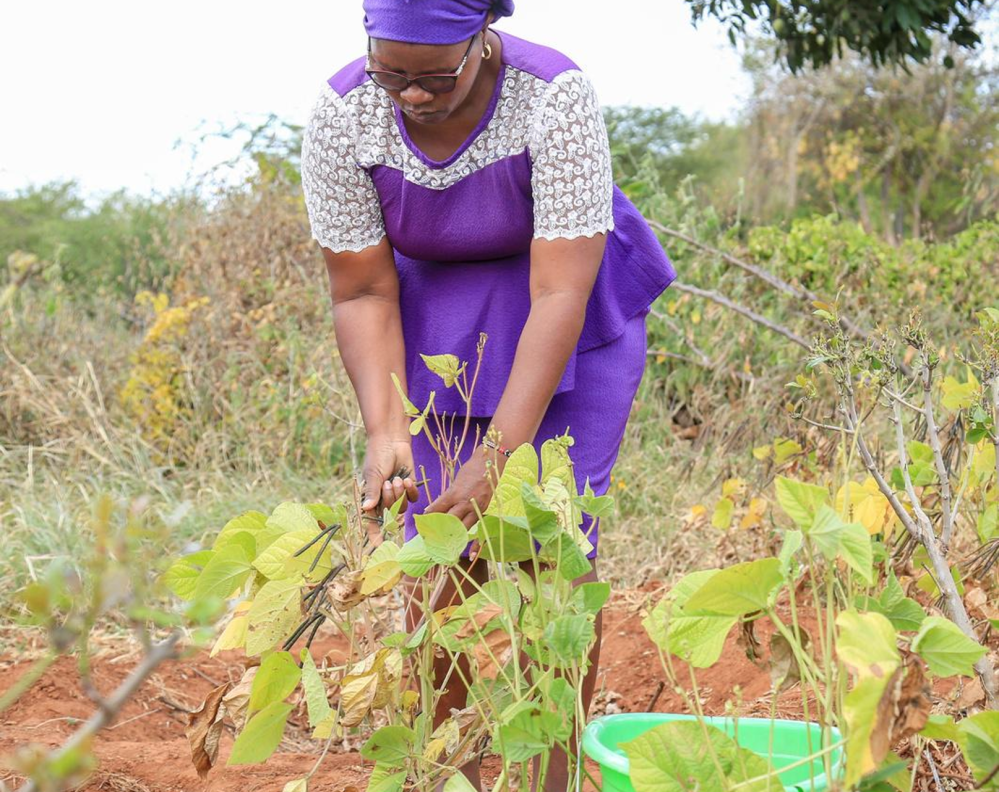
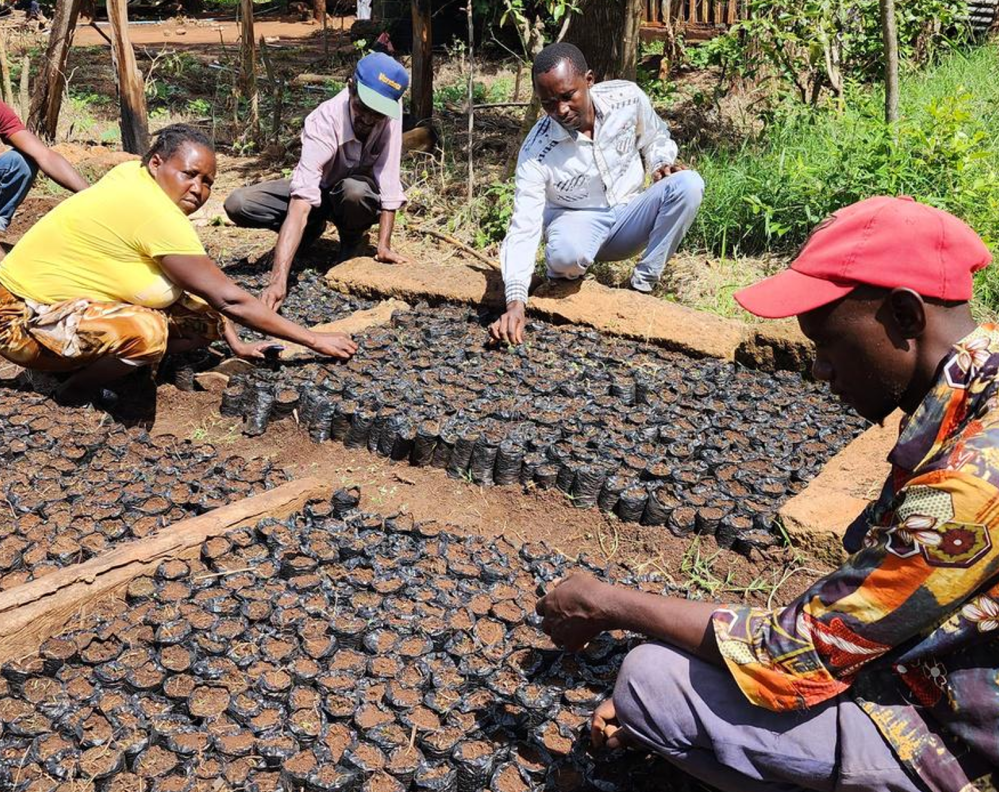
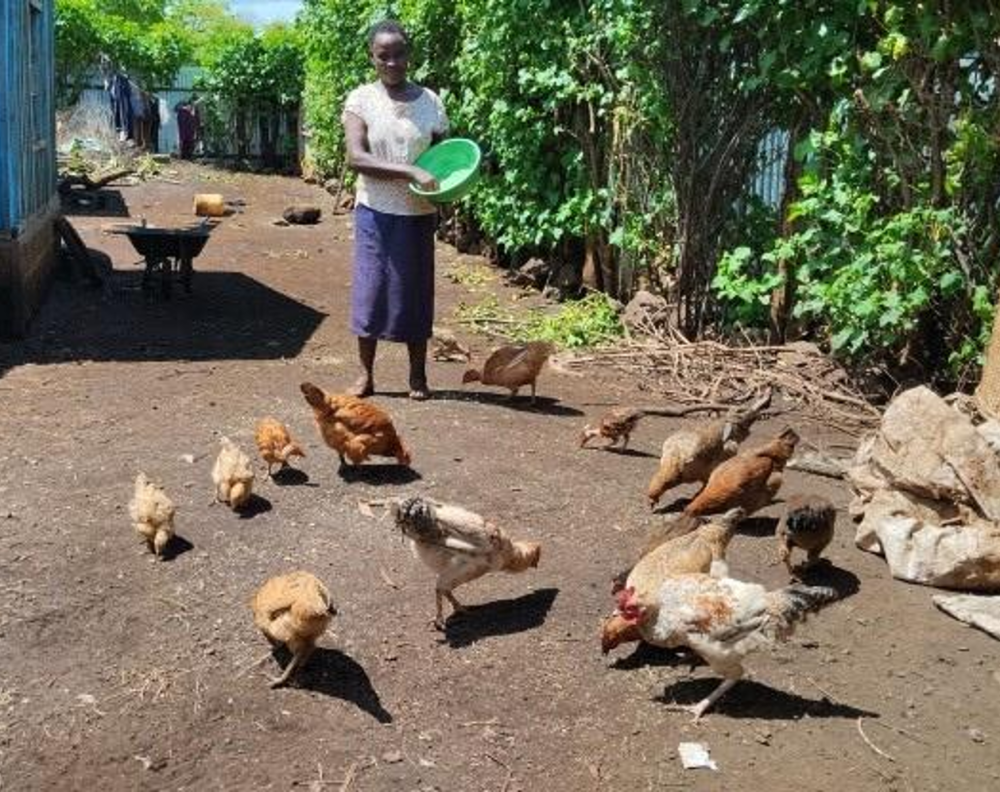
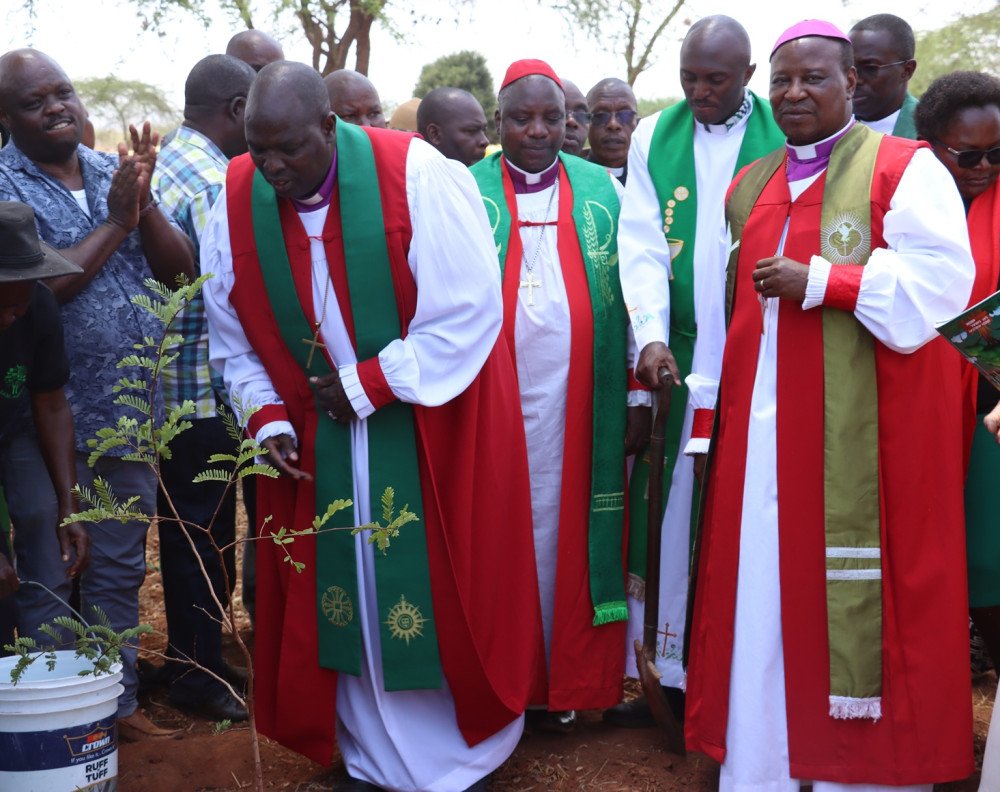


Funds raised through the Bishop of Chelmsford’s Lent Appeal will enable ADSMKE to expand vital climate and conservation projects that:
- Build community resilience to climate change
- Improve biodiversity and restore damaged ecosystems
- Enhance food security through sustainable agriculture
- Create economic opportunities rooted in environmental stewardship
- Equip future generations to care for God’s creation
Projects include:
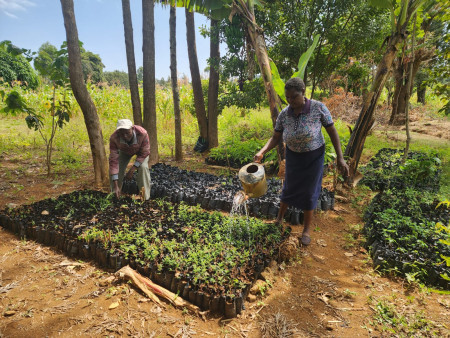
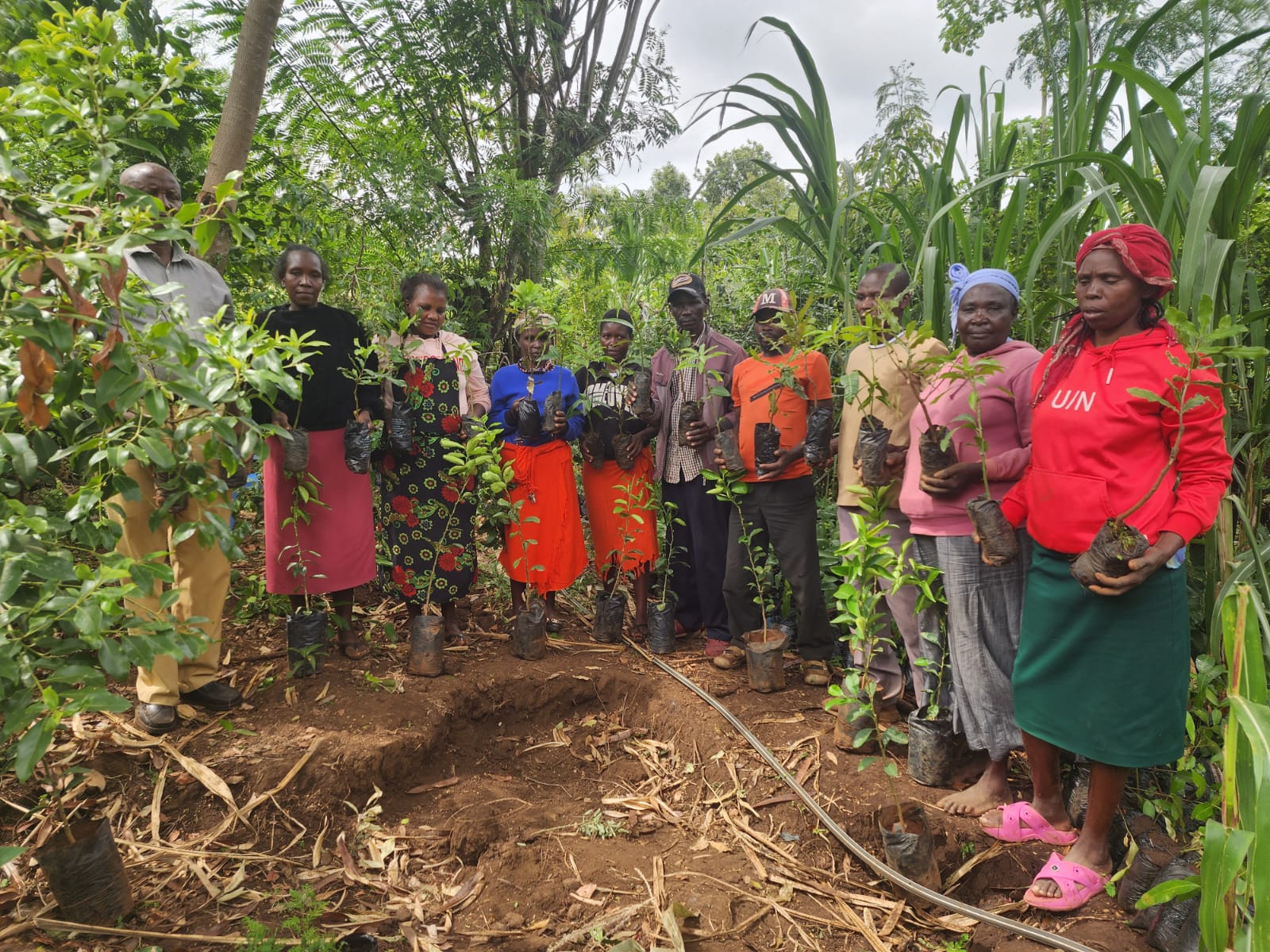
Tree Planting and Tree Nurturing
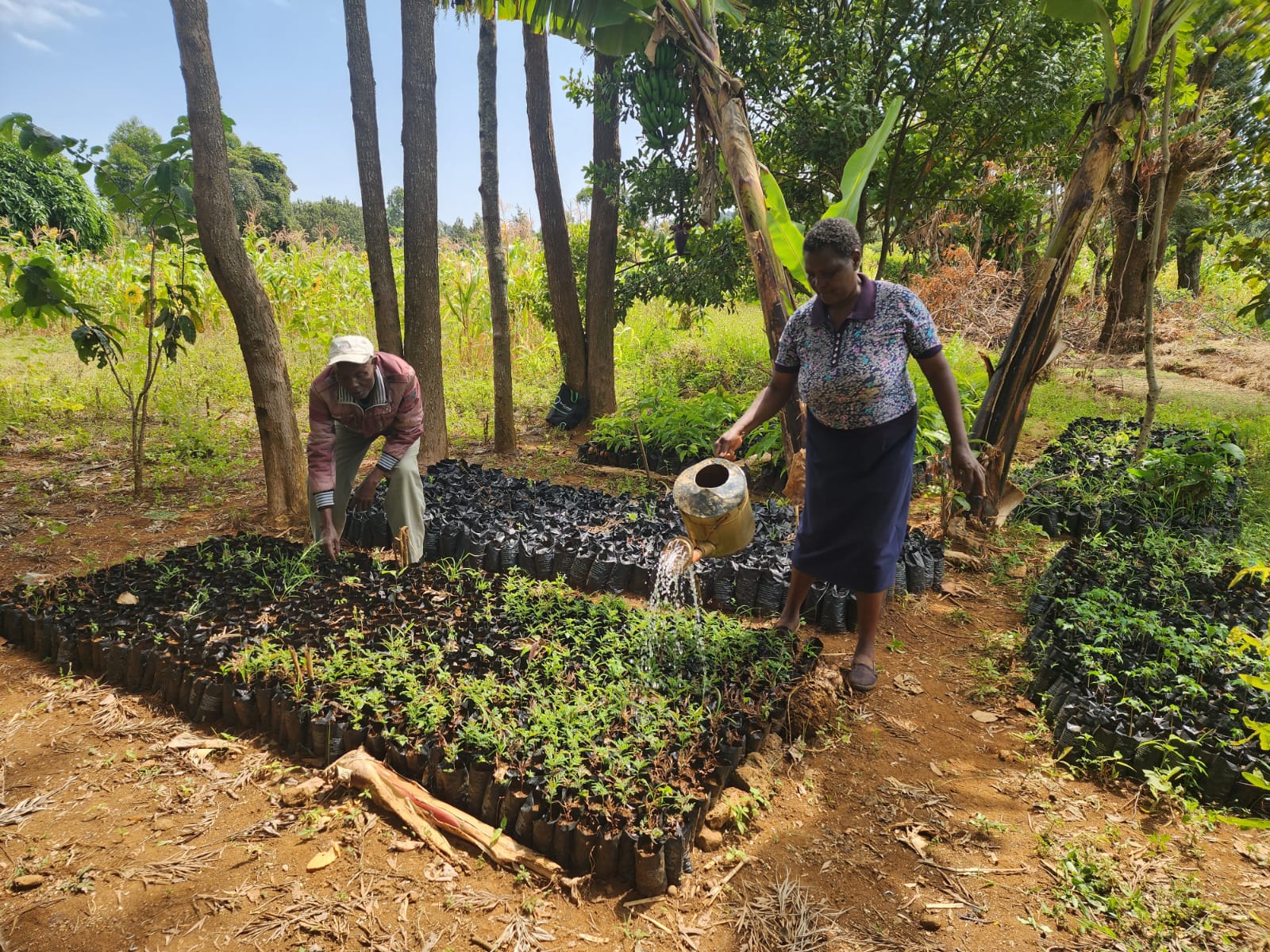
Expanding community‑led tree planting programmes to combat climate change, restore ecosystems and increase biodiversity. ADSMKE have set a target to plant 100,000 trees in the region this year.
Investing in Farmer-Managed Natural Regeneration (FMNR)
Educating and empowering communities to regenerate degraded land by managing the natural regrowth of native trees from existing root systems. FMNR enriches soil and increases crop yields.
Investing in Agroforestry Systems
Integrating trees with crops and livestock to improve food security, strengthen climate resilience and support diverse wildlife habitats.
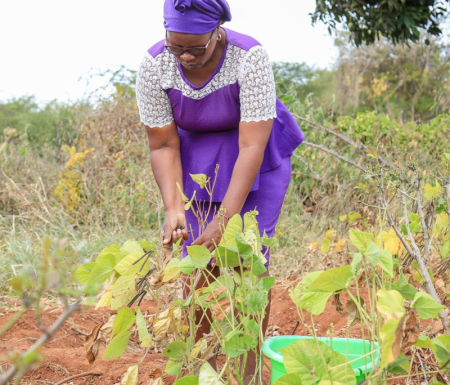
Farming God's Way
Promoting faith‑based, conservation‑focused farming techniques that honour creation whilst increasing yields for smallholder farmers.
A video message from Ture Golicha, Executive Director of ADSMKE
To learn more about the impact your support for this year’s Lent Appeal will have on communities in the Mt Kenya East region, please watch the video message below from Ture Golicha, Executive Director of ADSMKE.
Find out more
To find out more about ADSMKE and their work in response to climate change and in environmental conservation, visit their website by clicking on the link below:
A video message from Bishop Guli about this year's Lent Appeal
The Right Reverend Dr Guli Francis-Dehqani, The Bishop of Chelmsford, has recorded a message about this year’s Lent Appeal.
Help us spread the word: Resources for churches and individuals
If you would like to support this year’s Bishop of Chelmsford’s Lent Appeal, below you will find some resources to help churches and indivuduals promote this year's appeal.
Share on social media
If you would like to promote the appeal through your Church or personal social media accounts, the links below contain some ideas for the copy you might use.
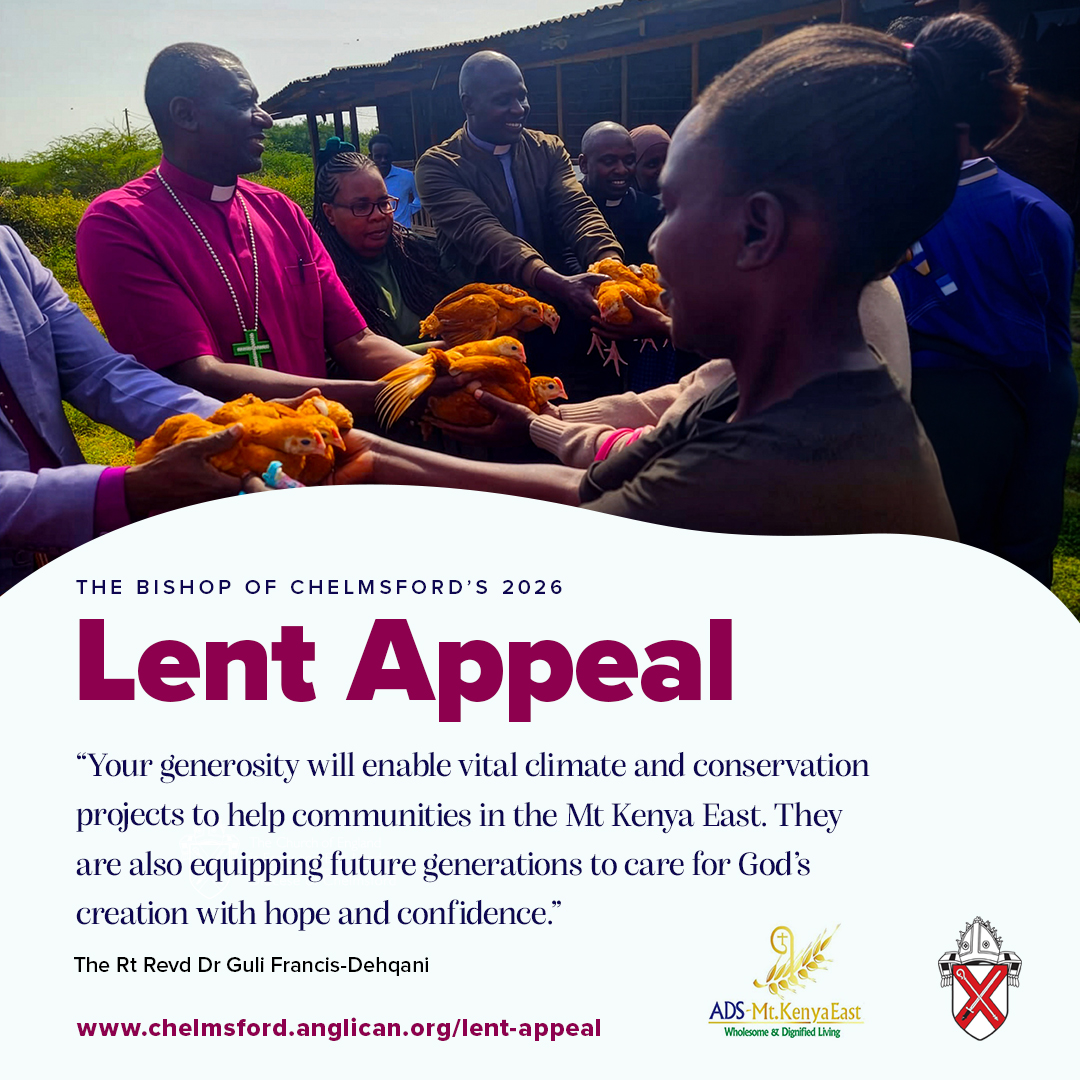
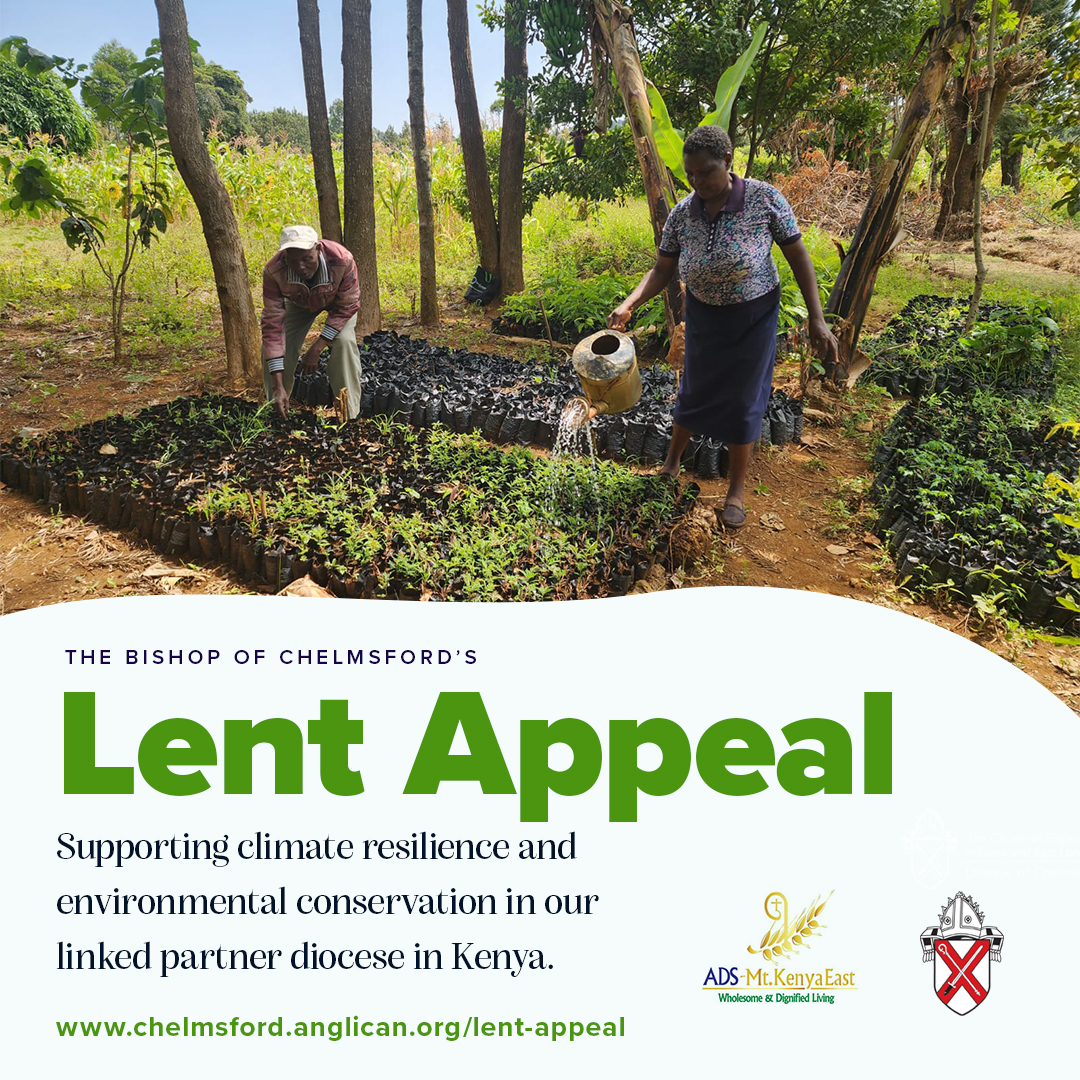

Share on your website and in your publications
The link below contains suggested wording for church magazines, newsletters and websites to help you share information about the 2026 Bishop of Chelmsford’s Lent Appeal.
To download accompanying photographs, plesae click on the 'downlod this image' link. A larger image will then appear which you can then right click on to download the photo to your device.
Share in your church
You can download an information leaflet to print and share, download and print a poster for your church or community noticeboard and download a graphic for your digital display screen.

Make a donation
We welcome donations to the Bishop of Chelmsford's Lent Appeal from individuals and churches as well as other groups and organisations.
Donations can be made online, by bank transfer or in person at the Diocesan Office.
Donate online
Donations can be made online. To donate online click the button below.
Make a donation
Donations by BACS
If you would like to make a donation to The Bishop of Chelmsford's Lent Appeal by BACS, please use the following details:
Chelmsford Diocese Board of Finance
Barclays Bank
Sort Code: 20-20-35
Account Number: 60269603
Reference: Lent Appeal 26
In person donations
If you are visiting the Diocesan Office (53 News Street, Chelmsford, CM1 1AT), donations to The Bishop of Chelmsford's Lent Appeal can be made using the contactless card machine located in reception.
Donations will be accepted until 1 July 2026.
Lent Appeal News
Elmore Quartet Concert Raises £1,500 for the Bishop of Chelmsford’s Lent Appeal

On Saturday 7 March, Bishop Guli hosted a concert at Bishopscourt in support of this year’s Bishop of Chelmsford’s Lent Appeal. The Elmore Quartet performed a programme featuring works by Haydn, Beethoven, Bartók and Shostakovich. Read more and view photos of the event by clicking on the link below.
If your church or worshipping community is planning a fundraising activity for the Bishop of Chelmsford’s Lent Appeal, please get in touch. Email communicationsdept@chelmsford.anglican.org with the details and send us your photos so we can share how churches across Essex and East London are supporting this year’s Appeal.
The Revd Sandra Eldridge visits Kenya
The Revd Sandra Eldridge, former Diocesan Environment Officer, recently visited the Mount Kenya East region and saw first hand the impact of the climate crisis on the region.
Sandra shares some thoughts and reflections on what she had witnessed in the video below:
-
Read Revd Sandra's report on her visit to Kenya
I’ve just spent a month in the Mt Kenya East region with my husband, Dave. Dave is Trustee of the Peter Cowley Africa Trust that has been funding small scale development projects in eastern Kenya for nearly thirty years. We went to look at the progress with some of the projects and to see the effects of climate change first hand.
Though climate change has been affecting communities in Kenya for two decades, the effects are clearly getting worse. We visited many homesteads and communities. In one homestead, where they welcomed us generously with Kenyan tea and sweet potato, we were told “We have been experiencing climate change for 20 years, but we’ve never seen anything like this.” The person who said this to us was referring to the failure of the autumn rains in 2025 and the resulting drought. Kenya has two rainy seasons per year, the short rains between October and December and the long rains between March and May. Farmers rely on these rains for crop growth and to provide water for household consumption.
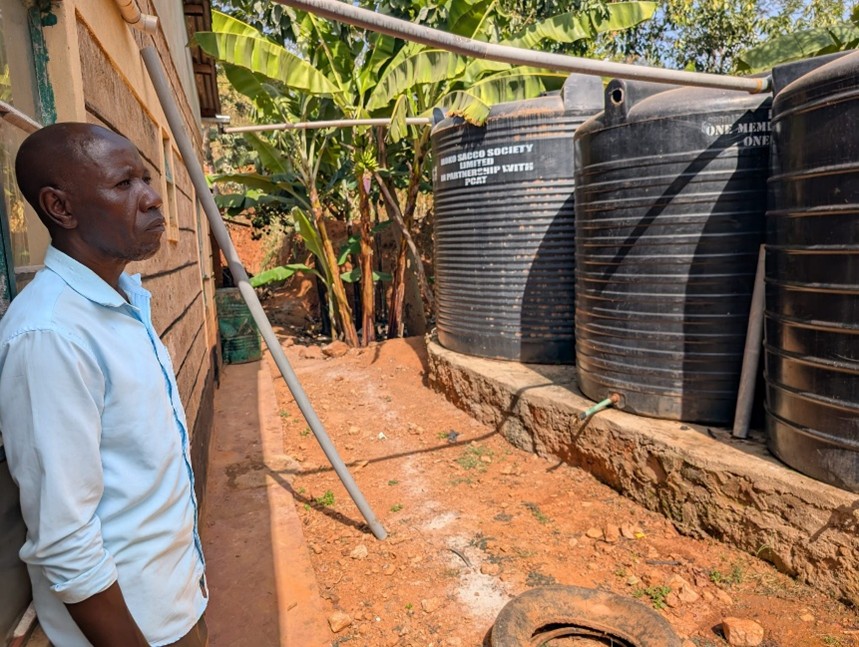
Joshua, a pastor, who said to us “We’ve never seen anything like this.”
As we travelled, we saw mile after mile of dried-up maize which will produce no harvest at all this spring, and many dried-up seasonal river-beds and depleted reservoirs that would in other years have provided sources of water for local families.
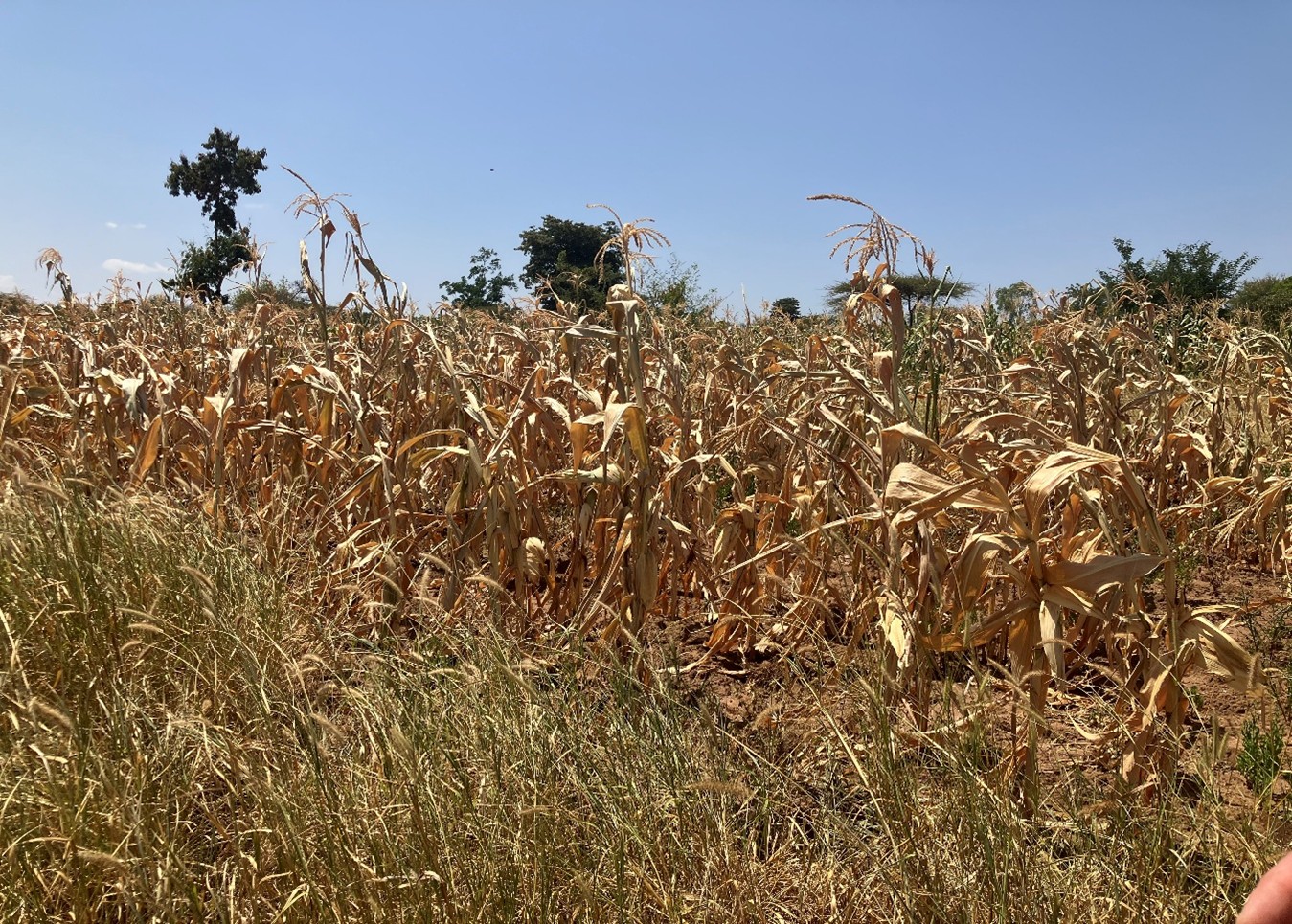
Dried-up maize that will produce no harvest.
We saw how important community work is in these circumstances. We visited several women’s groups where the women are supporting each other, often through collective loan schemes, to improve their circumstances. We also saw how communities are themselves digging trenches for water pipes so that they can have water piped to their homesteads for the first time ever. When rivers and reservoirs are running dry more often than previously, piped water becomes even more important. The alternative is fetching water using 20 litre water carriers, sometimes carried by donkeys.
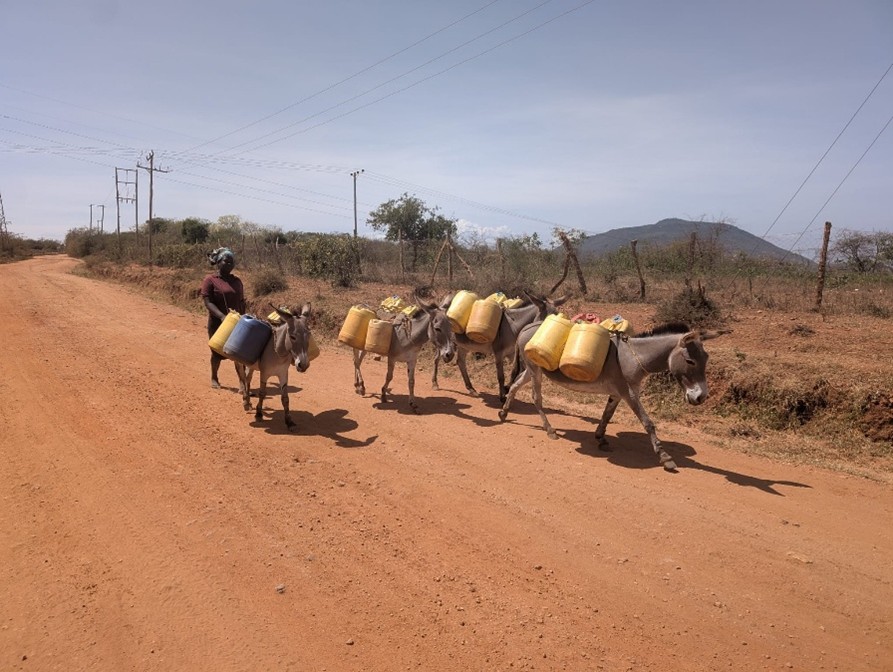
Donkeys carrying full water carriers.
We also saw the effort being put into planting trees, trees that will improve eco systems, prevent soil erosion and provide shade. In such dry conditions it’s important to plant a variety of native trees and to take care of them to ensure the best chance of survival.
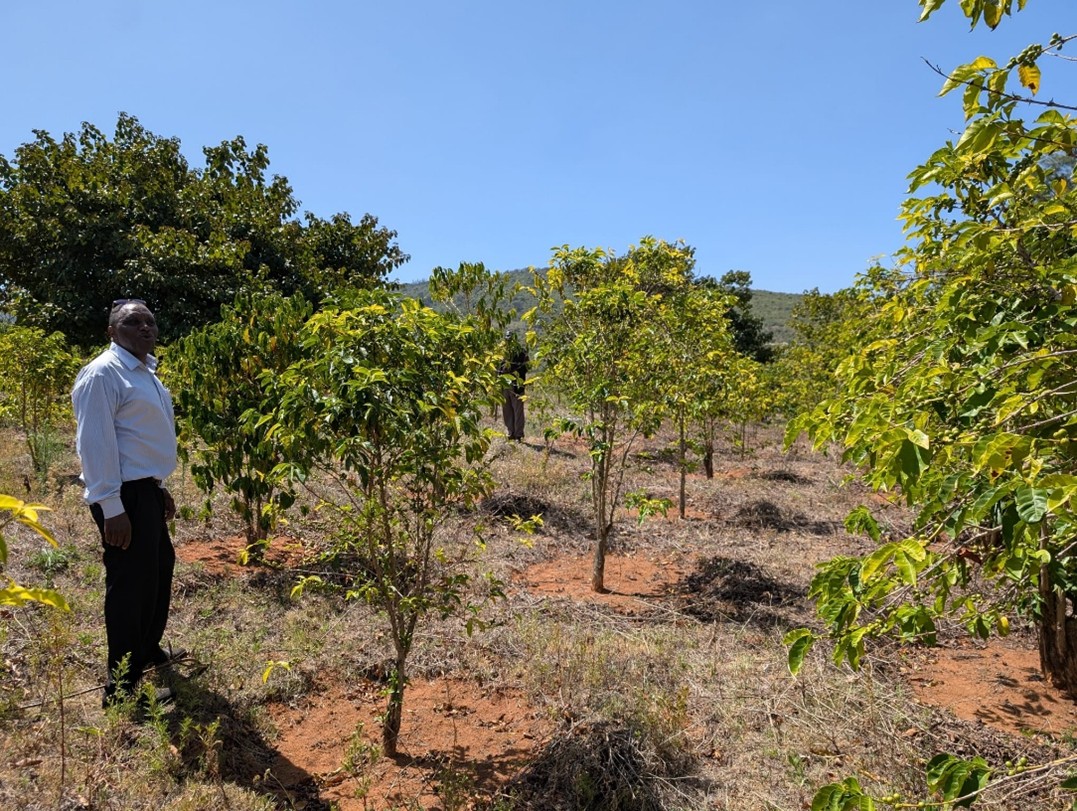
Trees planted by a vicar in his church compound.
We also saw the difference water provision, harvesting and storage can make to building resilience of families and communities. This saves time in fetching water and saves money by reducing the need to buy water from communal water points.
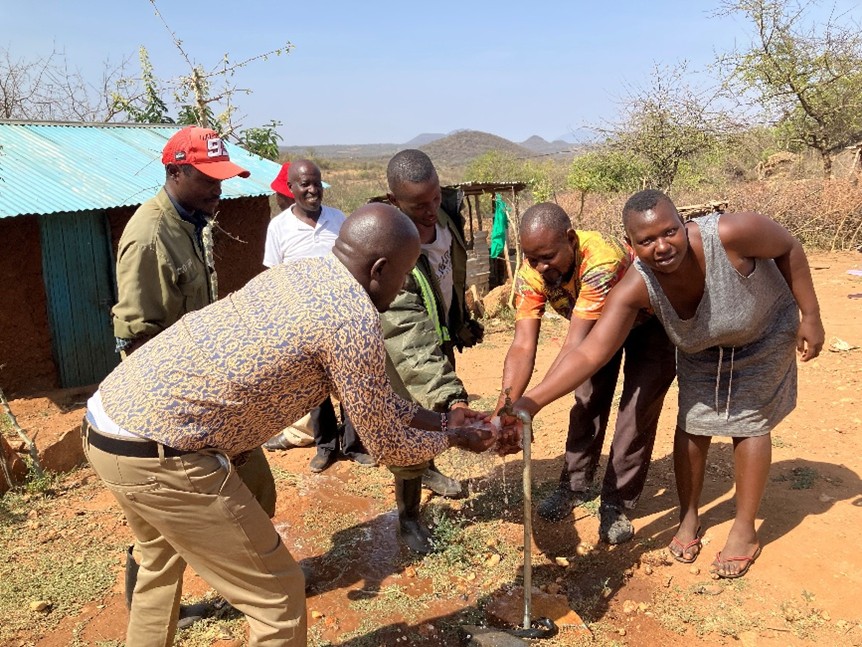
Joy in one homestead which had piped water for the first time.
Finally, we saw what happens when the situation becomes extreme. In northern arid areas, in Marsabit Diocese, environmental damage is being exacerbated because some people have no other way of making a living except by cutting down trees to make charcoal that they can sell.
However, the Kenyan church is planting trees wherever it can.
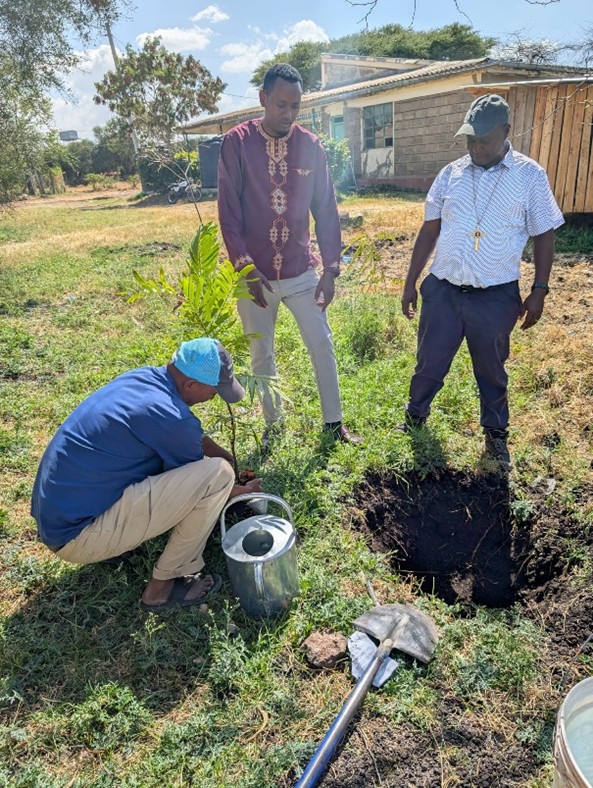
Ture Golicha, Director of Anglican Development Services of Mount Kenya East and Bishop Moses of Mbeere Diocese planting a tree together.
The Anglican Church in Kenya is part of the Green Anglican Movement started in South Africa. This year its theme is “Wholesome Ecology.” While planting trees is important, funds raised through the Bishop of Chelmsford’s Lent Appeal will enable Anglican Development Services of Mount Kenya East to expand vital climate and conservation projects that:
- Build community resilience to climate change
- Improve biodiversity and restore damaged ecosystems
- Enhance food security through sustainable agriculture
- Create economic opportunities rooted in environmental stewardship
- Equip future generations to care for God’s creation
Please give generously to support the important work the Kenyan Church is doing in circumstances of great need.
Read Revd Sandra's blog
Following her recent visit to Kenya, Revd Sandra reflects on how the climate crisis is affecting communities in Mount Kenya East and highlights the vital work of Anglican Development Services Mount Kenya East in helping local people build climate resilience, in the blog below:
Click on the ‘+’ to read each entry in full.
-
Entry one - Water is life
It’s raining in Kenya. For a UK audience that often talks about the weather even when it is of little significance, that sentence might not seem significant or remarkable. What we say about rain, rivers, seas, and water more generally, can mean different things depending on where we are. “Water is life” is the slogan of the Embu Water and Sanitation Company Limited (EWASCO) in Kenya. The slogan emphasizes the critical importance of water for survival, something it’s easy to forget when you have plenty of it.
In February, my partner and I spent three days travelling in remote rural areas in Embu County with staff from EWASCO, seeing their ambitious programme to bring mains water to some of these areas so that communities can benefit from running water rather than having to walk several kilometres each day to fetch water. Most of the people we met were small scale farmers. For them, water is critical for drinking, rearing livestock and growing crops: water is life. Yet many still rely on fetching water from rivers and reservoirs and the distances they have to travel to do so is increasing as these rivers and reservoirs are drying up because of increasingly unpredictable weather patterns. Kenya, like much of the Horn of Africa, has two rainy seasons, the so-called short rains in the autumn and long rains in the spring. But things have been changing. The short rains and long rains are now not very different in length and their failure is becoming more frequent. In fact, in the autumn of 2025 the short rains failed. As a result, livestock died, crops failed, and life became increasingly difficult for those without water storage tanks or piped water. There is a need to build resilience so that communities can survive even when rains fail. Anglican Development Services, Mount Kenya East is helping to address this through local planning, investment in water pans (small reservoirs), ZAI pits (small manure filled pits that capture and hold water runoff – the name ZAI comes from the Mossi language in Burkino Faso where the pits originated), and boreholes with pumps running from solar energy.

Photo caption: a dried-up river bed
But now the spring rains have come at last. You might have thought that would be a good thing, but as farmers everywhere can testify, it’s not always as simple as that. As a priest friend of ours in Kenya wrote to us recently “Autumn or spring, the weather has confounded all former patterns. In the autumn, I planted four acres of corn. 100% dried up after the rain disappeared in the 2nd month after germination. Now we’ve planted again and the rain is excessive, causing mud slides, floods, casualties, and displacement – at least 84 dead and 12,500 families displaced nationwide. Waterborne diseases are on the rise.” Water is life but too much can be as problematic as too little, and the changing climate in Kenya is bringing both with increasing frequency.
-
Entry two - Mary's Story
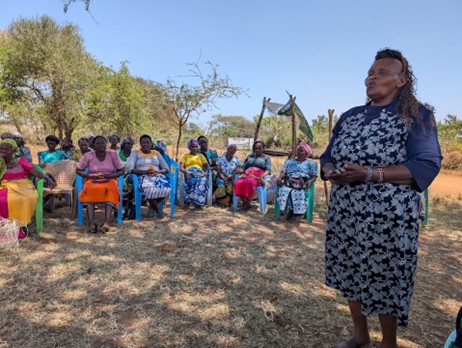
Photo caption: Mary and the Mbembani Women's Group
Mary and I are twins. That’s what we agreed as we said goodbye, and she sped off along the dirt road on her motorbike. We were referring to the fact that we’d just discovered we were both 68, but I think we are twins in another sense too - both trying to work, in very different ways, for a fairer world.
Mary is a farmer in Mbembani, a relatively remote rural area of Kenya. She is also the chairwoman of a women’s group that is part of a credit and savings union, a not-for-profit financial cooperative owned and controlled by its members rather than external shareholders. Members of the women’s group pool their savings to provide loans to one another so that they can buy things they need to improve their lives: water tanks, fuel efficient stoves, pots, solar panels, and beehives. The beehives provide additional income, shared between the women on an equitable basis. The other items make the lives of the women easier. If rain is good and there is sufficient guttering, three to four days rain can fill a 10,000-litre water tank providing water for a family for four months and this means the women don’t have to worry about going to river to fetch water or buy it from local distribution points. Fuel efficient stoves (and good pots) use less wood for cooking. In a country with so much sun, a small solar panel plus invertor and battery costing about £120 in total can provide all the power a household needs with no further charge – for lighting in the evening so children can complete their homework, to recharge mobile phones, to watch a small amount of television.
Mary has also used the credit and savings scheme to buy a motorbike so that she can travel to the homesteads of all the women involved, some of which are quite far apart, ensuring that, as chair of the group, she supports them adequately (and if you are worried that a motorbike isn’t a very environmentally friendly option, Mary’s motorbike probably has annual emissions of less than a fifth of the average car in the UK, given the smaller number of miles she travels).
The way these women live is far removed from life in the UK, but their desires, energy and ingenuity are just the same, and support groups such as the one chaired by Mary are hugely valued. Furthermore, what the women are doing, doesn’t only support them. While the use of solar panels enhances their lives, is cheaper than fossil-fuel-based electricity and removes any dependence on government electricity schemes, it also has no carbon emissions like a fossil-fuel-based electricity supply. In addition, using less wood is good for the environment as well as reducing the amount of wood families need to collect. This is a win-win initiative – good for the women and their families and good for the environment. Plenty of women across Mount Kenya East could do what these women do, given the chance and Marys to lead them!
Note: Mbembani is in Machakos County, not in Mount Kenya East. However, the challenges women face are the same for rural farmers in semi-arid areas in both regions. The women’s group described here is affiliated to MOKO SACCO (Savings and Credit Cooperative Organisation) which supports the organisation of such groups.